How to Prevent Mold on Bags During Maritime Shipping: A Guide for B2B Buyers
Every experienced buyer has encountered at least one shipment affected by container condensation. Whether sourcing handbags, fashion bags, tote bags, backpacks, or promotional products, a qualified Vietnam bag manufacturer must have a complete moisture-control system. Industry data shows that sealed containers traveling across multiple climate zones often experience temperature fluctuations that create condensation droplets on container ceilings and walls. These droplets eventually fall onto cartons and products, causing damp bags, stained materials, rusted hardware, and mold growth.
Today, leading Vietnam bag factory operations are investing heavily in humidity management because global brands increasingly require suppliers to demonstrate preventive measures before shipment. A professional bag manufacturer Vietnam operation understands that prevention is far more effective than handling claims after delivery.
Why Bags Become Moldy During Sea Freight: Insights from a Vietnam Bag Factory
According to experienced sourcing specialists, three major factors cause mold during ocean transportation:
▲Rapid temperature changes create container condensation.
▲Sealed environments trap moisture and prevent ventilation.
▲Transit periods of 20–40 days provide sufficient time for mold growth.
For this reason, a modern Vietnam bag factory cannot rely only on small desiccant packets. Effective moisture protection must start long before container loading. The most successful Vietnam bag manufacturer facilities integrate humidity control into production, packaging, warehousing, and logistics management.
How a Professional Vietnam Bag Manufacturer Controls Humidity Before Shipment
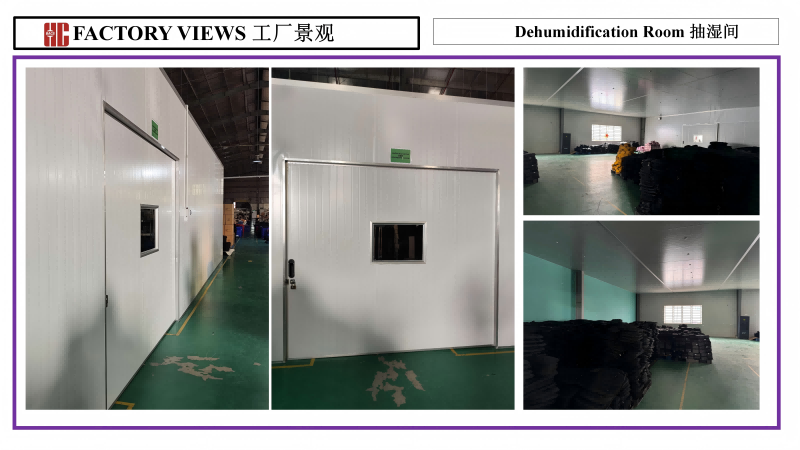
One of the most effective practices used by advanced bag manufacturer Vietnam facilities is pre-shipment dehumidification. Instead of packing products immediately after production, finished bags are transferred into dedicated dehumidification rooms where residual moisture is removed before packaging.
In addition, top Vietnam bag factory operations install industrial-grade temperature and humidity monitoring systems throughout workshops and storage areas. Continuous monitoring allows quality teams to maintain stable environmental conditions and minimize moisture absorption during manufacturing.
This approach significantly reduces the risk of mold compared with traditional factories that depend solely on desiccants during shipping.
Best Packaging Practices Used by a Vietnam Bag Factory
Packaging plays a critical role in sea freight mold prevention. A professional Vietnam bag manufacturer typically applies multiple protection layers:
①Protective wrapping for metal buckles and hardware.
②Internal stuffing to maintain shape and reduce airflow.
③Anti-tarnish protection for metal feet and studs.
④Sealed polybags and moisture barriers.
⑤Export-grade reinforced cartons.
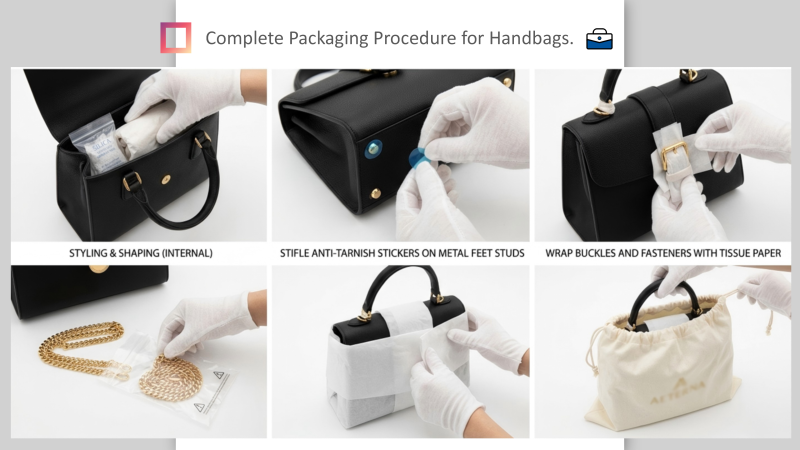
These measures create an effective barrier against external humidity. Buyers searching for a dependable bag manufacturer Vietnam partner should always ask suppliers to explain their packaging standards before placing bulk orders.
Need professional packaging advice for your next order? Contact the sourcing team at inquiry@hcbags.com.
Q&A: What Buyers Ask About Vietnam Bag Factory Moisture Protection
Q: Is placing desiccants inside cartons enough?
A: No. Most experts agree that desiccants alone cannot fully prevent moisture damage. A complete Vietnam bag factory system combines humidity control, proper packaging, warehouse management, and container loading standards.
Q: What is the most important anti-mold measure?
A: Pre-shipment humidity reduction is often considered the foundation of successful mold prevention. An experienced Vietnam bag manufacturer will remove moisture before products enter cartons.
Q: Can moisture protection be customized?
A: Yes. A qualified bag manufacturer Vietnam supplier can adjust packaging solutions according to shipping routes, destination climate, and transportation duration.
What to Look for When Selecting a Vietnam Bag Manufacturer
Buyers evaluating a Vietnam bag factory should focus on more than pricing. Key indicators include:
| →Dedicated dehumidification facilities. | →Workshop humidity monitoring systems. | →Export packaging standards. |
→Palletized warehouse storage. | →Container loading procedures. | →Customization capability for different shipping routes. |
A professional Vietnam bag manufacturer that manages these details consistently will help brands reduce claims, improve customer satisfaction, and protect product reputation in global markets.
Author Profile
Nydia
International Bag Manufacturing Industry Researcher
10+ years covering global sourcing, Vietnam bag factory development, supply chain optimization, and bag manufacturing trends.
LinkedIn: https://www.linkedin.com/in/vietnambagmanufacture/
Email: inquiry@hcbags.com